Effective Formative Assessment Techniques for Continuous Student Feedback

Effective Formative Assessment Techniques for Continuous Student Feedback

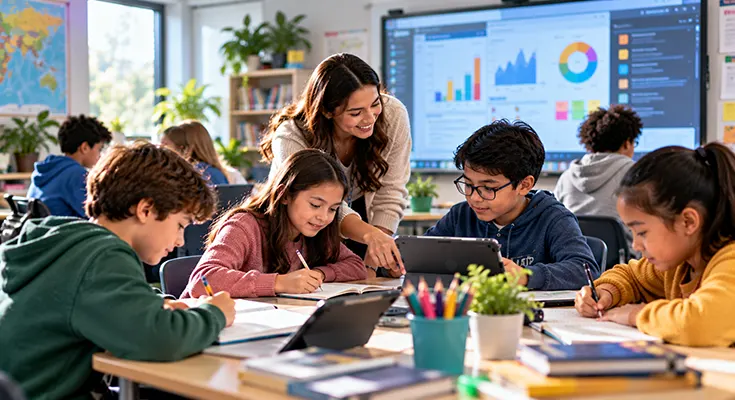
Formative assessment is an essential teaching practice that helps educators understand how students learn, identify knowledge gaps, and improve instructional decisions throughout the learning process. Unlike summative assessments, which typically evaluate achievement at the end of a unit or course, formative assessment provides ongoing feedback that teachers and students can use immediately. Effective formative assessment techniques for continuous student feedback include real-time feedback loops, exit tickets, self-assessments, and systematic progress tracking. When implemented consistently, these strategies encourage active participation, strengthen student understanding, and create a classroom environment where learning improvement becomes a shared responsibility between teachers and students.

Real-Time Feedback Loops for Immediate Learning Improvement

Real-time feedback loops allow teachers to evaluate student understanding while a lesson is happening and adjust instruction before misunderstandings become persistent problems. Instead of waiting until assignments are graded, educators gather immediate evidence of learning through questioning, observation, interactive activities, and short knowledge checks.

For …

Effective Formative Assessment Techniques for Continuous Student Feedback Read More


Building Sustainable and Equitable Education Systems for the Future

Building Sustainable and Equitable Education Systems for the Future

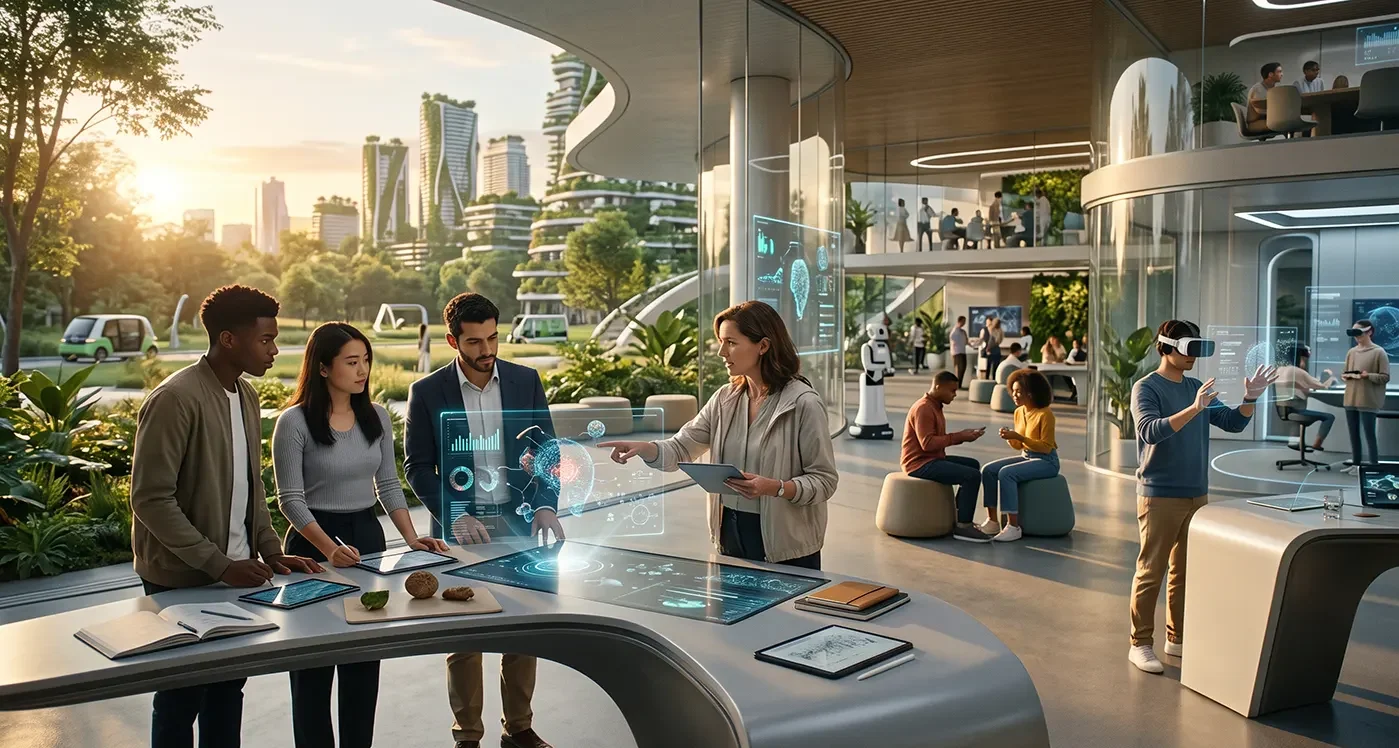
Education is a fundamental driver of social progress, economic development, and global equality. However, millions of learners worldwide continue to face barriers to quality education because of poverty, geographical isolation, disability, conflict, and limited access to technology. Building sustainable and equitable education systems for the future requires more than expanding school enrollment. It involves creating inclusive learning environments, strengthening educational infrastructure, addressing the digital divide, and preparing students for rapidly changing social and economic conditions. International initiatives, including UNESCO’s Futures of Education work and the United Nations Sustainable Development Goals (SDGs), provide important frameworks for rethinking education. By combining inclusive policies, innovative teaching practices, and long-term investment, governments and communities can help ensure that every learner has meaningful opportunities to succeed.

Expanding Global Access to Quality Education

Global access to education remains a major challenge, particularly for children and young people living in disadvantaged communities. Financial hardship, inadequate school facilities, …

Building Sustainable and Equitable Education Systems for the Future Read More
How to Choose the Best Continuing Education Degree Program

How to Choose the Best Continuing Education Degree Program

Continuing education degree programs offer valuable opportunities for adults who want to advance their careers, complete unfinished degrees, or develop new professional skills. Whether you are a working professional, a parent returning to school, or someone seeking a career change, choosing the right program requires careful planning. Factors such as college credit transfers, adult degree completion options, tuition assistance, and institutional accreditation can significantly influence the cost, flexibility, and value of your education. By evaluating these considerations before enrolling, prospective students can identify a continuing education degree program that fits their schedules, financial circumstances, and long-term career goals.

Understand Your Educational and Career Goals

Before comparing colleges, identify what you want to achieve through continuing education. Some students need to finish a bachelor’s degree they started years ago, while others want to qualify for promotions, change industries, or pursue graduate study.

Start by reviewing your previous academic experience, current professional …

How to Choose the Best Continuing Education Degree Program Read More
How Public School Teacher of the Year Candidates Are Selected

How Public School Teacher of the Year Candidates Are Selected

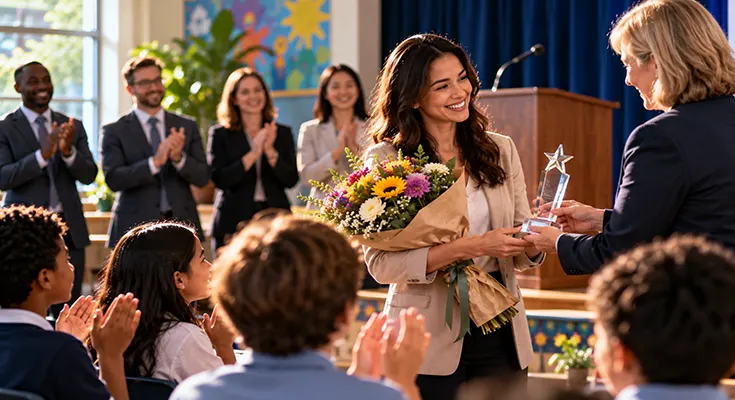
Public School Teacher of the Year awards recognize educators who demonstrate exceptional teaching skills, inspire students, support their communities, and contribute to educational improvement. These recognition programs can operate at the school, district, state, or national level, giving outstanding teachers opportunities to share their expertise and represent their profession. Understanding how public school Teacher of the Year candidates are selected helps educators prepare strong nominations and appreciate the qualities that award committees value. Although selection procedures differ between programs, most consider instructional excellence, student engagement, professional leadership, community involvement, and a commitment to continuous improvement. From initial nominations to final interviews, the process is designed to identify teachers whose work makes a meaningful difference in students’ lives.

Understanding School, District, State, and National Recognition Programs

Teacher of the Year recognition typically follows several levels of evaluation, although the structure varies by jurisdiction and award sponsor. Some programs begin with nominations …

How Public School Teacher of the Year Candidates Are Selected Read More
Gamification Techniques in Modern Education for Higher Retention

Gamification Techniques in Modern Education for Higher Retention

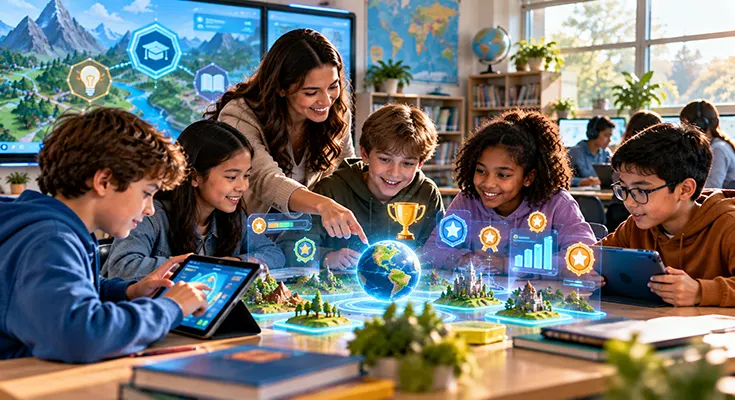
Modern education increasingly relies on interactive teaching methods to improve student engagement, motivation, and long-term knowledge retention. Traditional lectures and repetitive assignments remain useful, but students often benefit from learning experiences that encourage active participation and immediate feedback. Gamification introduces game-inspired elements into educational activities, making lessons more interactive, goal-oriented, and rewarding. Through educational games, digital reward structures, and interactive technology tools, teachers can encourage students to practice concepts, overcome challenges, and monitor their progress. When implemented thoughtfully, gamification can support deeper learning and help students remember information more effectively. The key is to use game mechanics to reinforce meaningful educational objectives rather than allowing competition or rewards to overshadow learning.

Educational Games That Strengthen Knowledge Retention

Educational games are among the most practical gamification techniques in modern education. They encourage students to apply knowledge, solve problems, and receive feedback while participating in enjoyable activities. Instead of passively listening to …

Gamification Techniques in Modern Education for Higher Retention Read More