

Effective Formative Assessment Techniques for Continuous Student Feedback

Effective Formative Assessment Techniques for Continuous Student Feedback

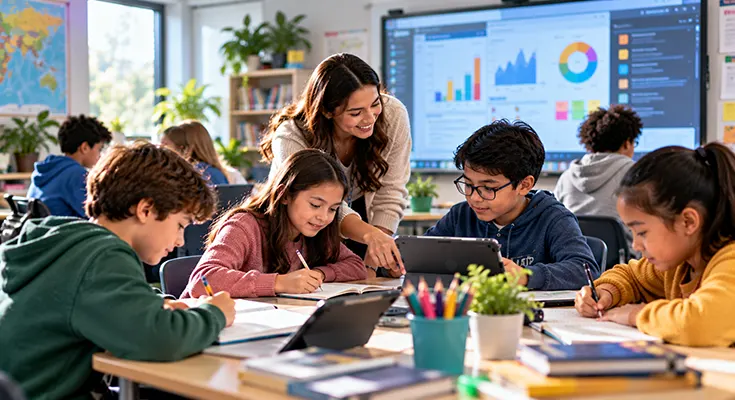
Formative assessment is an essential teaching practice that helps educators understand how students learn, identify knowledge gaps, and improve instructional decisions throughout the learning process. Unlike summative assessments, which typically evaluate achievement at the end of a unit or course, formative assessment provides ongoing feedback that teachers and students can use immediately. Effective formative assessment techniques for continuous student feedback include real-time feedback loops, exit tickets, self-assessments, and systematic progress tracking. When implemented consistently, these strategies encourage active participation, strengthen student understanding, and create a classroom environment where learning improvement becomes a shared responsibility between teachers and students.

Real-Time Feedback Loops for Immediate Learning Improvement

Real-time feedback loops allow teachers to evaluate student understanding while a lesson is happening and adjust instruction before misunderstandings become persistent problems. Instead of waiting until assignments are graded, educators gather immediate evidence of learning through questioning, observation, interactive activities, and short knowledge checks.

For …

Effective Formative Assessment Techniques for Continuous Student Feedback Read More

Gamification Techniques in Modern Education for Higher Retention

Gamification Techniques in Modern Education for Higher Retention

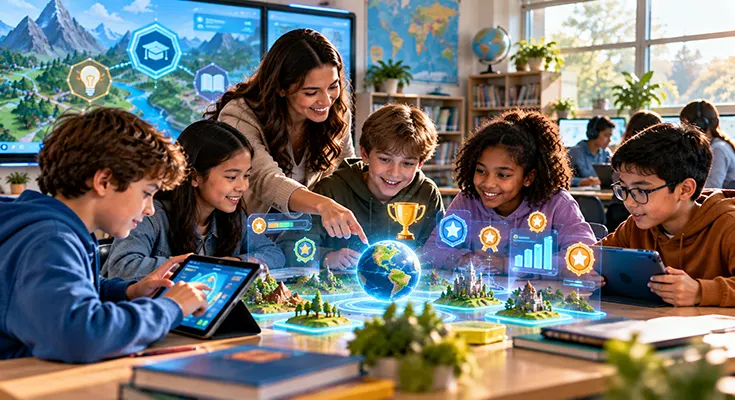
Modern education increasingly relies on interactive teaching methods to improve student engagement, motivation, and long-term knowledge retention. Traditional lectures and repetitive assignments remain useful, but students often benefit from learning experiences that encourage active participation and immediate feedback. Gamification introduces game-inspired elements into educational activities, making lessons more interactive, goal-oriented, and rewarding. Through educational games, digital reward structures, and interactive technology tools, teachers can encourage students to practice concepts, overcome challenges, and monitor their progress. When implemented thoughtfully, gamification can support deeper learning and help students remember information more effectively. The key is to use game mechanics to reinforce meaningful educational objectives rather than allowing competition or rewards to overshadow learning.

Educational Games That Strengthen Knowledge Retention

Educational games are among the most practical gamification techniques in modern education. They encourage students to apply knowledge, solve problems, and receive feedback while participating in enjoyable activities. Instead of passively listening to …

Gamification Techniques in Modern Education for Higher Retention Read More
Assessment for Learning: Formative Evaluation Techniques

Assessment for Learning: Formative Evaluation Techniques

Assessment for learning is a crucial aspect of education that promotes student growth and achievement. While many traditional assessment methods focus on measuring outcomes at the end of a learning cycle, formative evaluation techniques provide ongoing feedback and support to students during the learning process. These techniques help teachers understand students’ progress, identify areas for improvement, and adjust instruction accordingly.

What is Formative Evaluation?

Formative evaluation is an ongoing, continuous process that occurs throughout a learning experience. Unlike summative evaluation, which usually takes place at the end of a unit or course, formative evaluation focuses on providing immediate feedback and support to students. The purpose is to monitor progress, support learning, and guide instructional decisions.

Benefits of Formative Evaluation:

 Incorporating formative evaluation techniques into teaching practices has several benefits for both students and teachers. For students, it helps them take ownership of their learning, identify areas where they need improvement, …

Assessment for Learning: Formative Evaluation Techniques Read More
Technology Integration for Modern Teaching Effectiveness

Technology Integration for Modern Teaching Effectiveness

In today’s world, technology plays a crucial role in every aspect of our lives, including education. Successful integration of technology in the classroom has the potential to enhance the learning experience, create more engaging and interactive lessons, and improve overall teaching effectiveness. Here are some ways in which technology can be integrated for modern teaching effectiveness:

Interactive Presentations

One way technology can promote modern teaching effectiveness is through the use of interactive presentations. Tools like PowerPoint, Prezi, and Google Slides allow teachers to create visually appealing and engaging presentations that can be customized to various learning styles. These presentations can be embedded with interactive elements like videos, quizzes, and links that promote active participation and student engagement. Interactive presentations not only enhance the delivery of content but also provide opportunities for formative assessment and feedback.

Digital Assessments

Digital assessments are another effective way of integrating technology into modern teaching practices. …

Technology Integration for Modern Teaching Effectiveness Read More
Active Learning Techniques to Enhance Student Engagement

Active Learning Techniques to Enhance Student Engagement

Active learning is a teaching approach that actively involves students in their learning process. It goes beyond traditional passive learning methods where students simply absorb information. By engaging students in active learning, educators can enhance student engagement, promote critical thinking, and improve overall learning outcomes. In this article, we will explore several active learning techniques that teachers can employ to enhance student engagement in the classroom.

1. Collaborative Learning

Collaborative learning encourages students to work together in groups, fostering discussion and peer-to-peer learning. Teachers can organize group activities, discussions, or projects that require students to actively participate and contribute their ideas. By working collaboratively, students can learn from each other, share perspectives, and develop important social and communication skills.

2. Problem-Based Learning

Problem-based learning involves presenting students with real-world problems or scenarios that they need to solve. This approach encourages active engagement as students are required to analyze, investigate, and …

Active Learning Techniques to Enhance Student Engagement Read More