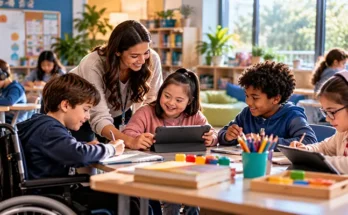
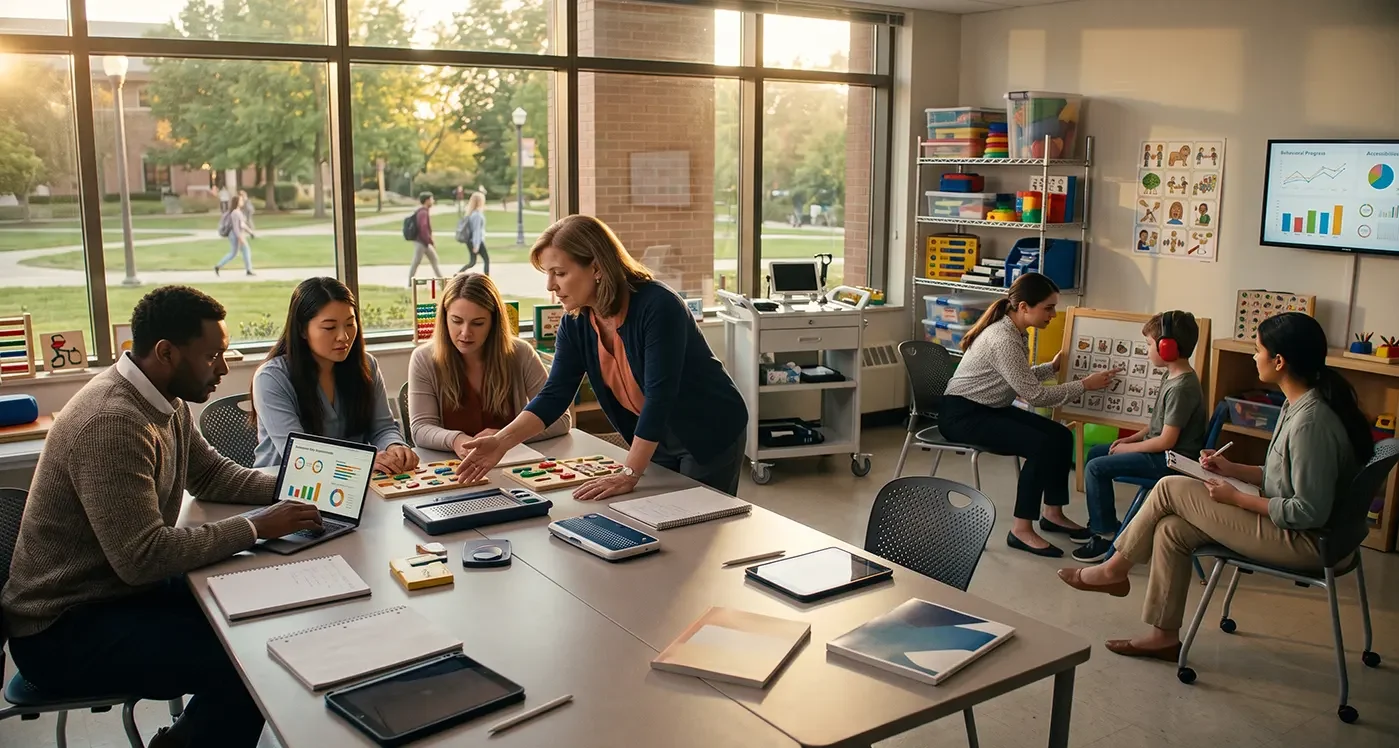
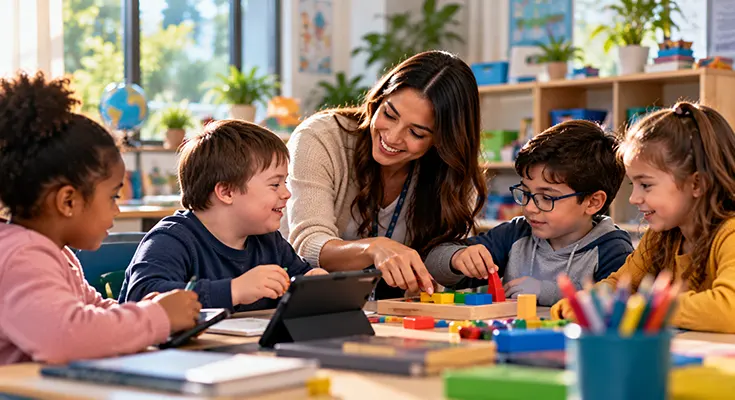
Special education teachers play an essential role in helping students with diverse learning needs achieve academic success, develop independence, and build confidence. Unlike traditional classroom instruction, special education often requires individualized teaching approaches, flexible lesson planning, and a deep understanding of each student’s strengths and challenges. The key traits and skills that make a great special education teacher extend beyond academic knowledge. Patience, adaptability, empathy, and personalized communication are equally important for creating supportive learning environments. By combining these qualities with effective instructional strategies and strong collaboration skills, special education teachers can help students overcome barriers, develop valuable life skills, and reach their individual potential.
1. Patience: Understanding Every Student’s Learning Journey
Patience is one of the most important qualities of an effective special education teacher. Students learn at different speeds, and some may require additional time, repeated explanations, or alternative methods to understand a concept. A patient educator recognizes that progress does not always happen immediately and avoids placing unnecessary pressure on students.
For example, a student experiencing difficulty with reading may need to practice letter recognition, phonics, and vocabulary through multiple lessons before becoming confident. Instead of expressing frustration, a skilled teacher breaks the task into manageable steps, provides encouragement, and celebrates small achievements.
Patience also helps educators respond calmly to challenging situations. Some students may struggle with emotional regulation, sensory overload, or transitions between activities. Establishing predictable routines, offering appropriate breaks, and maintaining consistent expectations can help students feel more secure.
Importantly, patience does not mean lowering expectations. It means providing sufficient time, appropriate support, and meaningful opportunities for students to develop their abilities.
2. Adaptability: Adjusting Instruction to Individual Needs
Adaptability is another essential skill for special education teachers. A teaching method that works well for one student may not be effective for another. Students may have different learning preferences, communication styles, physical abilities, and levels of academic readiness.
Great special education teachers adjust their instructional strategies according to these differences. They might combine visual aids, hands-on activities, demonstrations, spoken instructions, and assistive technology to make lessons more accessible.
For example, a teacher introducing mathematics concepts could use physical counting objects, illustrated number lines, or interactive digital exercises. Students who understand the concept quickly can receive more challenging activities, while those who need additional support can practice with guided examples.
Adaptability also involves responding to unexpected classroom situations. Teachers may need to modify lesson timing, change an activity, or introduce a quieter learning space when students experience difficulties.
By regularly assessing student progress and reflecting on teaching effectiveness, educators can identify which strategies work best and make informed adjustments.
3. Empathy: Building Trust and Emotional Connection
Empathy allows special education teachers to understand students’ experiences, recognize their emotions, and respond with compassion. Students who encounter learning difficulties may experience frustration, anxiety, social isolation, or reduced confidence. An empathetic teacher considers these experiences without defining students by their challenges.
Building trusting relationships begins with listening carefully, respecting individual differences, and acknowledging students’ feelings. Teachers should recognize that behavior can sometimes communicate unmet needs, discomfort, confusion, or difficulty expressing emotions.
For instance, a student who avoids participating in group activities may feel overwhelmed or uncertain rather than unwilling to learn. An empathetic teacher can explore the possible reasons, introduce smaller group activities, and gradually support participation.
Empathy also promotes an inclusive classroom culture. When teachers model respectful language, encourage cooperation, and address exclusion, students are more likely to develop understanding and acceptance of their classmates.
Maintaining professional boundaries remains important. Teachers should combine compassion with consistent expectations and appropriate support strategies to create a safe, respectful learning environment.
4. Personalized Communication Strategies
Effective communication is fundamental to special education because students may process information or express themselves in different ways. Some students benefit from short, direct instructions, while others need visual schedules, gestures, written reminders, or alternative communication systems.
Great special education teachers adapt their communication to each student’s needs. They use clear language, allow sufficient response time, check understanding, and avoid overwhelming students with too many instructions at once.
For example, instead of giving several directions simultaneously, a teacher might explain one step, demonstrate the task, and provide a visual checklist. Students can then complete each stage with greater confidence and independence.
Augmentative and alternative communication (AAC) tools, including communication boards and speech-generating devices, may support students who have difficulty using spoken language. Teachers should work with relevant specialists and families to ensure these tools are used consistently and appropriately.
Personalized communication also extends to families and colleagues. Regular updates, respectful discussions, and collaborative planning help everyone understand a student’s goals, progress, and support needs.
5. Collaboration, Organization, and Professional Growth
Successful special education teachers recognize that student progress often depends on teamwork. Collaboration with parents, general education teachers, school counselors, speech-language pathologists, and other specialists can provide a more complete understanding of each student’s needs.
Organizational skills are equally valuable. Teachers must manage lesson plans, learning materials, progress records, individualized education plans (IEPs), and assessment schedules. Strong organization helps ensure that required accommodations and instructional goals are addressed consistently.
Continuous professional development also strengthens teaching effectiveness. Training in inclusive education, behavior support, assistive technology, differentiated instruction, and disability awareness helps educators respond to evolving student needs.
Reflecting on classroom experiences and seeking feedback from colleagues can further improve teaching practices. Rather than relying on a single approach, effective educators remain open to new ideas and evidence-informed strategies.
The Key Traits and Skills
Those make a great special education teacher include patience, adaptability, empathy, personalized communication, collaboration, and a commitment to continuous learning. These qualities help educators understand individual differences, establish trusting relationships, and create classrooms where students feel valued and supported.
Every student has unique strengths, interests, and learning goals. By recognizing those differences and providing appropriate instruction, special education teachers can help students develop academic abilities, social connections, confidence, and independence. Ultimately, great special education teaching is about creating meaningful opportunities for every learner to participate, progress, and succeed.