
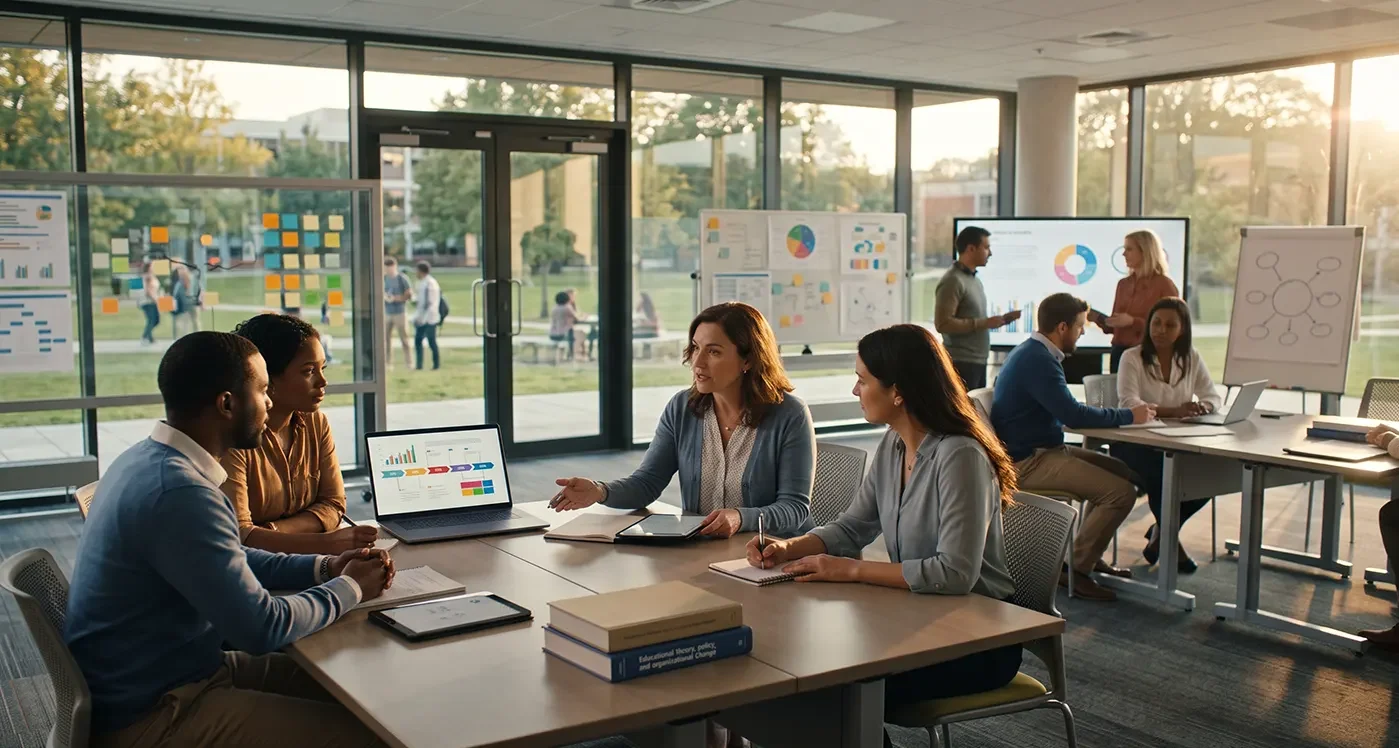

Formative assessment is an essential teaching practice that helps educators understand how students learn, identify knowledge gaps, and improve instructional decisions throughout the learning process. Unlike summative assessments, which typically evaluate achievement at the end of a unit or course, formative assessment provides ongoing feedback that teachers and students can use immediately. Effective formative assessment techniques for continuous student feedback include real-time feedback loops, exit tickets, self-assessments, and systematic progress tracking. When implemented consistently, these strategies encourage active participation, strengthen student understanding, and create a classroom environment where learning improvement becomes a shared responsibility between teachers and students.
Real-Time Feedback Loops for Immediate Learning Improvement
Real-time feedback loops allow teachers to evaluate student understanding while a lesson is happening and adjust instruction before misunderstandings become persistent problems. Instead of waiting until assignments are graded, educators gather immediate evidence of learning through questioning, observation, interactive activities, and short knowledge checks.
For example, a mathematics teacher explaining fractions might ask students to solve a problem on mini-whiteboards and display their answers simultaneously. By reviewing the responses, the teacher can quickly identify common mistakes and provide another explanation when necessary. Similarly, science teachers can use classroom polls, digital quizzes, or demonstrations to determine whether students understand important concepts.
Effective feedback should be specific, timely, and actionable. Rather than simply telling a student that an answer is incorrect, a teacher can explain which step needs improvement and suggest a strategy for correcting it. Students should also have opportunities to apply the feedback immediately, allowing them to recognize their progress.
Digital learning platforms can support these feedback loops through instant quiz results, interactive exercises, and automated response summaries. However, verbal feedback, peer discussions, and handwritten responses remain valuable alternatives, particularly in classrooms with limited technology.
The primary goal is to create a continuous cycle of teaching, checking understanding, providing feedback, and adjusting instruction.
Exit Tickets That Reveal Student Understanding
Exit tickets are short assessment activities completed near the end of a lesson. They provide teachers with a quick overview of what students have learned, which concepts remain confusing, and what should be addressed in the next class.
An effective exit ticket typically includes one to three focused questions related to the lesson objectives. For example, after teaching a historical event, a teacher might ask students to identify its main cause, explain one important consequence, and describe a question they still have.
Other useful exit ticket prompts include:
- What is the most important concept you learned today?
- Which part of the lesson was most difficult to understand?
- How would you apply today’s knowledge to a real-world situation?
- What question would you like the teacher to explain again?
Teachers can collect responses on paper, index cards, digital forms, or learning management systems. The format should be simple enough to complete within the final few minutes of class.
The most important step is reviewing the responses and using them to guide future instruction. If many students misunderstand the same concept, the teacher can begin the next lesson with clarification or additional practice. If most students demonstrate strong understanding, instruction can move toward more advanced applications.
Exit tickets become particularly effective when students recognize that their responses influence how lessons are planned.
Student Self-Assessments and Reflective Learning
Student self-assessment encourages learners to evaluate their own understanding, identify strengths, and recognize areas requiring improvement. This technique develops metacognitive skills, helping students think about how they learn rather than focusing exclusively on final answers or grades.
Teachers can introduce simple self-assessment checklists, confidence scales, reflection journals, or learning goal trackers. For instance, students completing a writing assignment might evaluate whether they developed a clear introduction, supported their arguments with evidence, and checked their grammar.
A three-level rating system can make self-assessment accessible:
- Confident: I understand the concept and can explain it independently.
- Developing: I understand some parts but need additional practice.
- Need support: I am still unsure and would benefit from further explanation.
Self-assessment should be supported by clear learning objectives and examples of successful work. Without these references, students may overestimate or underestimate their abilities.
Teachers can compare student reflections with classroom observations and assessment results to identify differences between perceived and demonstrated understanding. These conversations help students set realistic goals and take greater ownership of their learning.
Self-assessment is most valuable when it supports improvement rather than becoming another high-pressure grading exercise.
Tracking Student Progress Through Ongoing Assessment
Systematic progress tracking helps teachers understand how student performance changes over time. Instead of relying on a single test result, educators collect evidence from quizzes, assignments, classroom discussions, observations, and student reflections.
Progress tracking can involve spreadsheets, digital gradebooks, learning dashboards, or individual learning portfolios. Teachers should connect the collected information to specific learning objectives so that progress is meaningful and actionable.
For example, a reading teacher might monitor students’ accuracy, fluency, and comprehension across several weeks. If a student demonstrates improved fluency but continues to struggle with comprehension, the teacher can introduce targeted vocabulary instruction and guided reading activities.
Visual progress charts can also help students recognize achievements and understand their next learning goals. However, educators should protect student privacy and avoid public comparisons that may discourage learners.
Regular progress reviews allow teachers to identify students who need additional support, adjust instructional strategies, and determine whether interventions are working. Families can also receive appropriate updates to support learning beyond the classroom.
Combining Assessment Techniques for Better Results
The strongest formative assessment systems combine multiple methods rather than relying on one technique. Real-time feedback reveals misunderstandings during lessons, exit tickets provide end-of-class evidence, self-assessments encourage reflection, and progress tracking identifies longer-term learning patterns.
Teachers should begin by defining clear learning objectives and selecting assessment methods that directly measure those objectives. They can then establish a routine for collecting evidence, interpreting results, and making instructional adjustments.
It is equally important to maintain a supportive classroom culture. Students should feel comfortable admitting confusion, asking questions, and learning from mistakes. Feedback should focus on specific behaviors and strategies rather than labeling students according to their abilities.
Educators can also periodically evaluate their own assessment practices by asking whether the collected information genuinely improves teaching and student learning.
Conclusion
Effective formative assessment techniques for continuous student feedback help teachers make informed instructional decisions while empowering students to take responsibility for their progress. Real-time feedback loops, exit tickets, self-assessments, and ongoing progress tracking each provide valuable insights into student understanding.
When educators use these techniques consistently, they can identify learning gaps earlier, provide targeted support, and adapt lessons to meet students’ needs. Ultimately, formative assessment is not simply about measuring learning. It is about using feedback to improve learning continuously and helping every student move toward meaningful academic progress.