
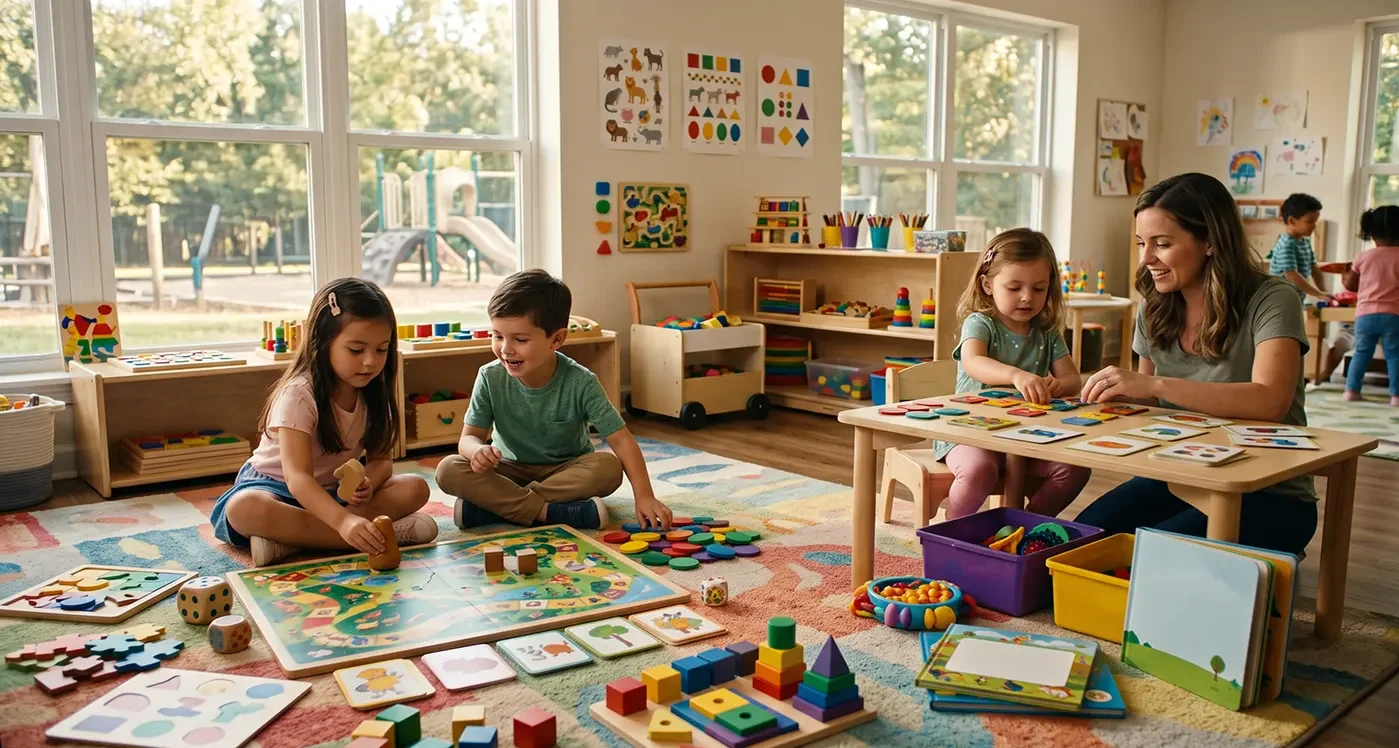
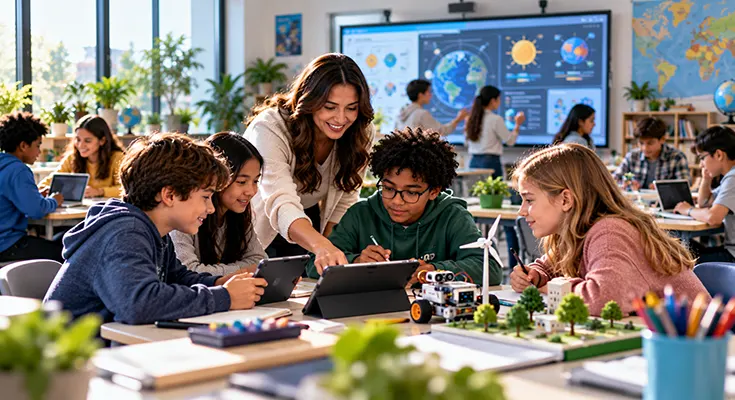
Public education continues to evolve as teachers seek better ways to engage students, accommodate different learning needs, and prepare learners for a technology-driven world. Traditional lectures and textbook-based instruction remain useful, but modern classrooms increasingly benefit from interactive activities, inclusive teaching practices, and digital learning tools. The innovative teaching methods used by top public school teachers focus on making lessons more engaging, accessible, and relevant to students’ everyday experiences. By combining creative instructional strategies with technology and student-centered learning, educators can encourage critical thinking, collaboration, and independent problem-solving. These approaches also help teachers address different learning styles and abilities while creating classroom environments where students feel supported, motivated, and confident.
1. Project-Based Learning for Real-World Skills
Project-based learning (PBL) allows students to explore meaningful questions or challenges through structured projects. Instead of simply memorizing information, students investigate problems, gather evidence, collaborate with classmates, and develop practical solutions.
For example, a science teacher might ask students to design a school recycling initiative. Students could research waste management, collect classroom data, calculate potential reductions in waste, and present their recommendations. This activity connects scientific concepts with environmental responsibility while developing communication and teamwork skills.
Public school teachers can adapt project-based learning to different grade levels, subjects, and available resources. Clear objectives, manageable project stages, regular feedback, and fair assessment criteria help students remain focused. Teachers should also provide individual responsibilities within group projects so every student contributes meaningfully.
When implemented effectively, project-based learning encourages curiosity, creativity, and deeper understanding while helping students recognize how classroom knowledge applies to real-world situations.
2. Inclusive Teaching and Differentiated Instruction
Every public classroom includes students with different strengths, interests, backgrounds, and learning needs. Inclusive teaching ensures that all students have meaningful opportunities to participate, while differentiated instruction adapts learning experiences to individual requirements.
Teachers can differentiate content, learning activities, instructional support, and assessment methods. For instance, a history lesson might combine a short video, a visual timeline, a reading passage, and a guided discussion. Students could demonstrate their understanding through writing, oral presentations, or other appropriate formats aligned with the learning objectives.
Universal Design for Learning (UDL) provides a useful framework for creating flexible lessons. Teachers can offer multiple ways for students to engage with material, access information, and express what they have learned.
Inclusive practices also involve providing accessible classroom materials, establishing respectful behavioral expectations, and recognizing cultural and linguistic diversity. Students who require additional support may benefit from individualized accommodations, assistive technology, or collaboration with specialist educators.
By planning for learner differences from the beginning, teachers can reduce unnecessary barriers and build classrooms where every student feels valued.
3. Technology Integration in Modern Public Classrooms
Educational technology has expanded opportunities for interactive learning, personalized instruction, and classroom collaboration. When used purposefully, digital tools can help teachers explain complex concepts, provide immediate feedback, and identify areas where students need additional support.
Learning management systems allow teachers to distribute assignments, organize resources, and monitor student progress. Interactive quizzes, educational simulations, digital whiteboards, and virtual experiments can make lessons more engaging.
For example, mathematics teachers can use visual simulations to demonstrate fractions or geometric relationships, while science teachers can introduce virtual laboratory activities when physical equipment is limited.
Artificial intelligence tools may also assist educators with preparing lesson materials, generating practice questions, and adapting explanations to different reading levels. However, teachers should review AI-generated content for accuracy, appropriateness, bias, and alignment with curriculum requirements.
Technology should complement effective teaching rather than replace meaningful teacher-student interaction. Public schools must also consider internet access, device availability, student privacy, cybersecurity, and responsible screen use to ensure that digital learning benefits all students.
4. Collaborative Learning and Peer Instruction
Collaborative learning encourages students to work together, exchange ideas, and develop a deeper understanding of academic concepts. Rather than positioning the teacher as the sole source of information, this approach allows students to learn through discussion, explanation, and shared problem-solving.
Teachers can organize small-group discussions, peer tutoring, cooperative investigations, and structured classroom debates. For example, students studying a social studies topic might examine different perspectives, evaluate evidence, and present a joint conclusion.
Successful collaboration requires clear expectations and purposeful group structures. Teachers should assign meaningful roles, establish respectful discussion rules, and monitor participation to prevent a few students from completing all the work.
Peer instruction can also reveal misunderstandings that might otherwise remain unnoticed. When students explain concepts in their own words, they practice reasoning and communication while helping classmates learn.
These strategies build social skills alongside academic knowledge and prepare students for collaborative work in higher education and future careers.
5. Formative Assessment and Personalized Feedback
Innovative teaching involves continuously checking whether students understand the material and adjusting instruction accordingly. Formative assessment provides teachers with information about learning progress before the end of a unit or course.
Useful methods include exit tickets, short quizzes, classroom polls, concept maps, observation checklists, and student reflections. After a lesson on fractions, for example, a teacher might ask students to solve one problem independently and explain their reasoning.
The results can help identify misconceptions and determine whether students need additional explanations, guided practice, or more advanced challenges.
Personalized feedback should be specific, constructive, and focused on improvement. Instead of simply marking an answer incorrect, teachers can explain the misunderstanding and suggest a practical next step.
Combining regular assessment with flexible instruction allows teachers to respond to student needs more effectively and supports continuous academic growth.
The Innovative Teaching Methods
The innovative teaching methods used by top public school teachers combine project-based learning, inclusive instruction, educational technology, collaborative activities, and formative assessment. These strategies help make lessons more engaging while supporting students with different abilities, interests, and learning preferences.
Successful innovation does not necessarily require expensive equipment or complicated classroom systems. Thoughtful lesson design, accessible learning materials, meaningful student participation, and consistent feedback can make a substantial difference.
By embracing modern instructional practices and evaluating their effectiveness, public school teachers can create more inclusive, interactive, and student-centered classrooms that prepare learners for academic achievement and lifelong learning.