Individualized Education Plans for Special Needs Learners

Individualized Education Plans for Special Needs Learners

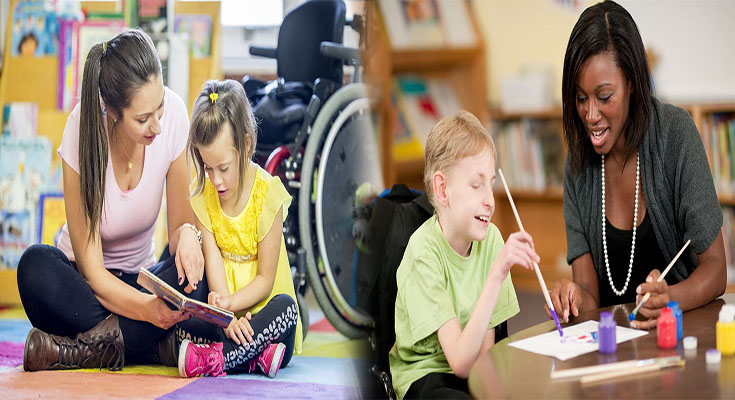
Special needs learners require individualized education plans (IEPs) to ensure that they receive the support and accommodations necessary for their educational success. An IEP is a legal document that outlines a specialized educational program and services tailored to each student’s unique needs.

The fundamental objective of an IEP is to identify and address the specific challenges faced by special needs learners, enabling them to reach their full potential. This plan is a collaboration among educators, therapists, experts, and parents/guardians, who work together to develop strategies and goals to support the student in their academic journey.

The process of developing an IEP involves several steps. First, the student’s needs are assessed through various evaluations, including academic, medical, and psychological assessments. These evaluations help create a comprehensive profile of the student’s strengths, weaknesses, and areas requiring additional support.

Next, a team consisting of parents/guardians, teachers, special education personnel, and other professionals collaborate …

Individualized Education Plans for Special Needs Learners Read More
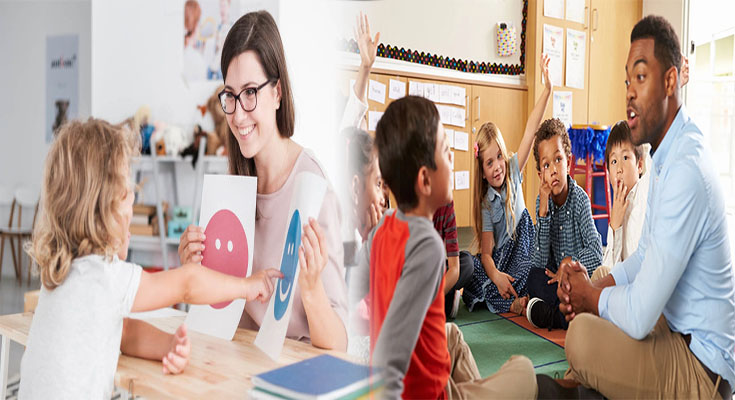
Promoting Active Lifestyles: Why Physical Education Teachers are Vital

Promoting Active Lifestyles: Why Physical Education Teachers are Vital

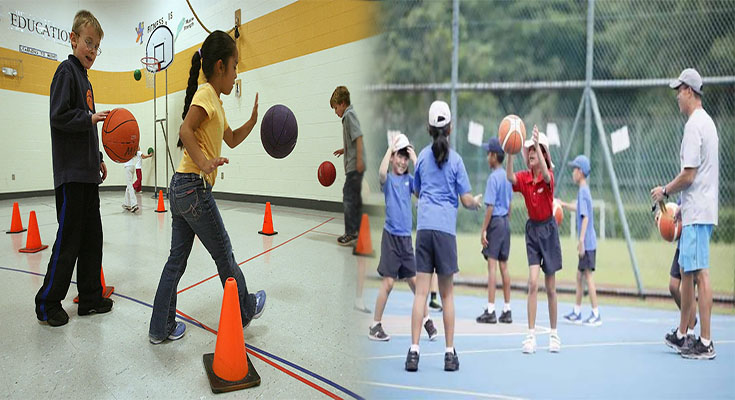
Physical education teachers play a crucial role in promoting active lifestyles among children and teenagers. With concerns of childhood obesity and sedentary lifestyles on the rise, the need for qualified physical education teachers has never been greater.

In recent years, schools have been cutting back on their physical education programs due to budget constraints. However, the importance of regular physical activity in maintaining good health cannot be overemphasized. Physical activity helps to combat obesity, improve mental health, and reduce the risk of chronic diseases such as diabetes and heart disease.

Physical education teachers are equipped with the skills and knowledge to instill a love for physical activity in their students. They create lesson plans that are engaging, challenging, and promote a fun learning experience. Physical education teachers also help to enhance the physical, social, and emotional development of their students by teaching them essential skills such as teamwork, leadership, communication, …

Promoting Active Lifestyles: Why Physical Education Teachers are Vital Read More
Empathetic Teaching Methods for Special Education Students

Empathetic Teaching Methods for Special Education Students

Special education students require unique and tailored approaches to learning in order to thrive academically and emotionally. As educators, it is essential to create a safe and inclusive learning environment that values and supports students with diverse learning needs. Empathetic teaching methods can greatly benefit special education students by promoting their social-emotional development, fostering a sense of belonging, and maximizing their learning potential. Here are some empathetic teaching methods for special education students:

1. Individualized Instruction

Individualized instruction is a cornerstone of empathetic teaching for special education students. Recognizing that every student has different strengths, challenges, and learning styles, educators should tailor instruction to meet the specific needs of each individual. This may involve modifying curriculum materials, providing additional support, or utilizing assistive technologies. By personalizing instruction, educators can ensure that special education students receive the necessary accommodations and adaptations to succeed academically.

2. Positive Reinforcement

Positive reinforcement is a …

Empathetic Teaching Methods for Special Education Students Read More
List of Public School System Problems

List of Public School System Problems

Many people are dreading the prospect of going to school, but this list of public school system problems isn’t intended to discourage educators. Rather, it aims to make us more aware of the problems our schools face and offer solutions. The list also includes topics such as overcrowding, bullying, and the massive waste of tax dollars by incompetent bureaucracies.

Hopefully, this list will inspire you to improve the public school system in your area.

Bullying

In the United States, the law prohibits bullying in public schools. Bullying in the public school system has long been a controversial issue, with both the victims and the bullies facing legal repercussions. While there are several different programs for dealing with bullying, these have varying degrees of success. A key factor is whether the measures take place on a regular basis or only occasionally. However, these programs have helped decrease student aggression and disruptive …

List of Public School System Problems Read More
A Guide to Public School System History

A Guide to Public School System History

If you’re looking for public school system history, you’ve come to the right place. From the first one-room schoolhouse to the Great Depression and the Teacher’s League, this article covers all the bases. In addition, it gives an overview of the major events that shaped our public schools.

Read on to learn more! If you’re a new parent, here are some facts about the public school system:

New York City’s common council refused to provide funds for sectarian schools

A controversy surrounding the Public School Society’s refusal to provide funds for sectarian schools stretches back to the late 1800s, when the state legislature passed a law limiting public financial support of non-public schools. As Catholic schools expanded in New York City, sectarian schools competed with public ones for the same students. In the decades that followed, the number of Irish immigrants to New York City increased dramatically. This conflict spawned …

A Guide to Public School System History Read More