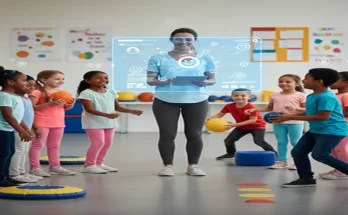
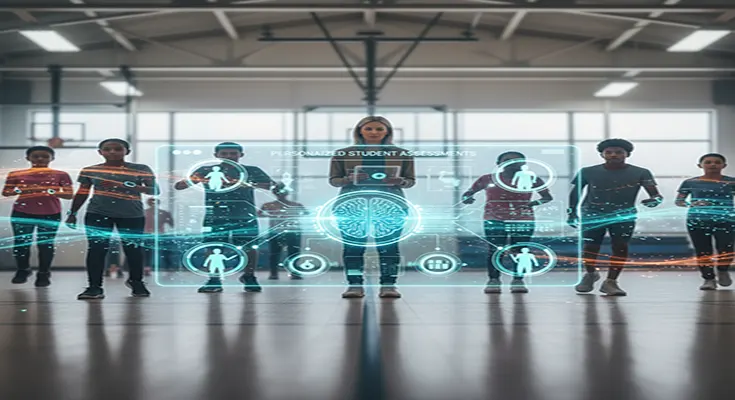
The traditional PE assessment (timed mile run, push-up tests) often measures a single moment of performance, potentially demotivating students who struggle. By integrating wearable fitness trackers, PE teachers can now provide personalized feedback, track progress over time, and foster a lifelong love for activity by focusing on individual improvement rather than comparison.
1. Objective Data for Individual Baselines
Wearables eliminate subjectivity. Instead of observing a student’s activity level, you get real-time metrics:
- Heart Rate Zones: Trackers like Fitbits or Garmins can monitor a student’s heart rate, allowing teachers to assess if a student is working in their target “aerobic” or “anaerobic” zones during an activity.
- Steps & Active Minutes: Consistent data on daily steps and active minutes provides a baseline for each student, allowing teachers to set achievable, incremental goals.
- Calories Burned (Estimated): While not perfectly precise, this metric offers a tangible representation of energy expenditure during a class.
2. Tailoring Activities to Individual Needs
Once you have baseline data, you can differentiate instruction in PE, just like in academic subjects.
- The Problem: A group activity might be too intense for one student and not challenging enough for another.
- The Solution: For the student with a consistently low heart rate during soccer, the teacher might assign them to a more active position or provide challenges like “sprint to midfield and back after every pass.” For a student struggling to maintain a target heart rate, the teacher might suggest focusing on brisk walking laps or shorter bursts of activity.
3. Fostering Intrinsic Motivation
The most powerful aspect of wearables is the immediate feedback they provide to students themselves.
- Self-Monitoring: When a student sees their heart rate spike during a relay race or hits a step goal during a basketball game, they get immediate validation for their effort. This personal data empowers them to take ownership of their physical health.
- Goal Setting: Teachers can work with students to set personalized, attainable goals (e.g., “Increase active minutes by 10% this week” or “Spend 20 minutes in your cardio zone during class”).
4. Holistic Health Education
Wearables extend the learning beyond the gym. Students can track their sleep patterns and understand the link between rest, recovery, and energy levels. This data can spark discussions on nutrition, screen time, and overall well-being.
5. Ethical Considerations and Data Privacy
Implementing wearables requires careful planning:
- Anonymity: Ensure data is collected and analyzed anonymously or with parental consent, in compliance with FERPA and COPPA. Focus on group trends or individual progress, not public comparisons.
- Device Access: Schools might provide trackers, or students might use their own. Clear guidelines on usage and data sharing are crucial.
The Future of PE Assessment
Using wearable fitness trackers for personalized student assessments shifts PE from a pass/fail grade to a continuous journey of self-improvement. It empowers students to understand their bodies, set personal goals, and develop healthy habits that extend far beyond the school gym.