

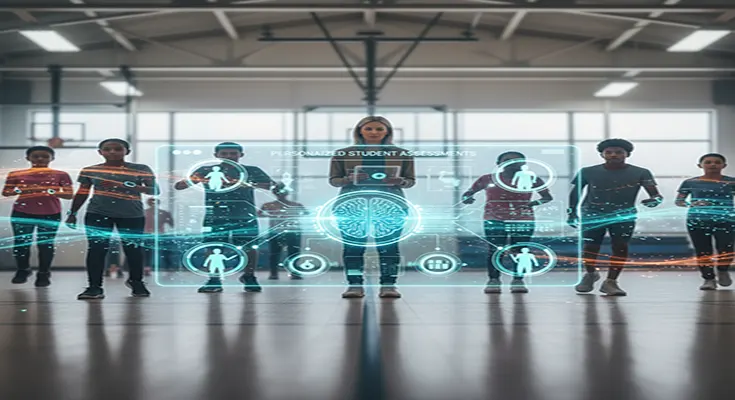
How to Use Wearable Fitness Trackers for Personalized Student Assessments in PE
The traditional PE assessment (timed mile run, push-up tests) often measures a single moment of performance, potentially demotivating students who struggle. By integrating wearable fitness trackers, PE teachers can now provide personalized feedback, track progress over time, and foster a lifelong love for activity by focusing on individual improvement rather than comparison.
1. Objective Data for Individual Baselines
Wearables eliminate subjectivity. Instead of observing a student’s activity level, you get real-time metrics:
- Heart Rate Zones: Trackers like Fitbits or Garmins can monitor a student’s heart rate, allowing teachers to assess if a student is working in their target “aerobic” or “anaerobic” zones during an activity.
- Steps & Active Minutes: Consistent data on daily steps and active minutes provides a baseline for each student, allowing teachers to set achievable, incremental goals.
- Calories Burned (Estimated): While not perfectly precise, this metric offers a tangible representation of energy expenditure during a class.